Streaming Device Guides Mistakes: Must-Have Tips to Avoid Common Errors
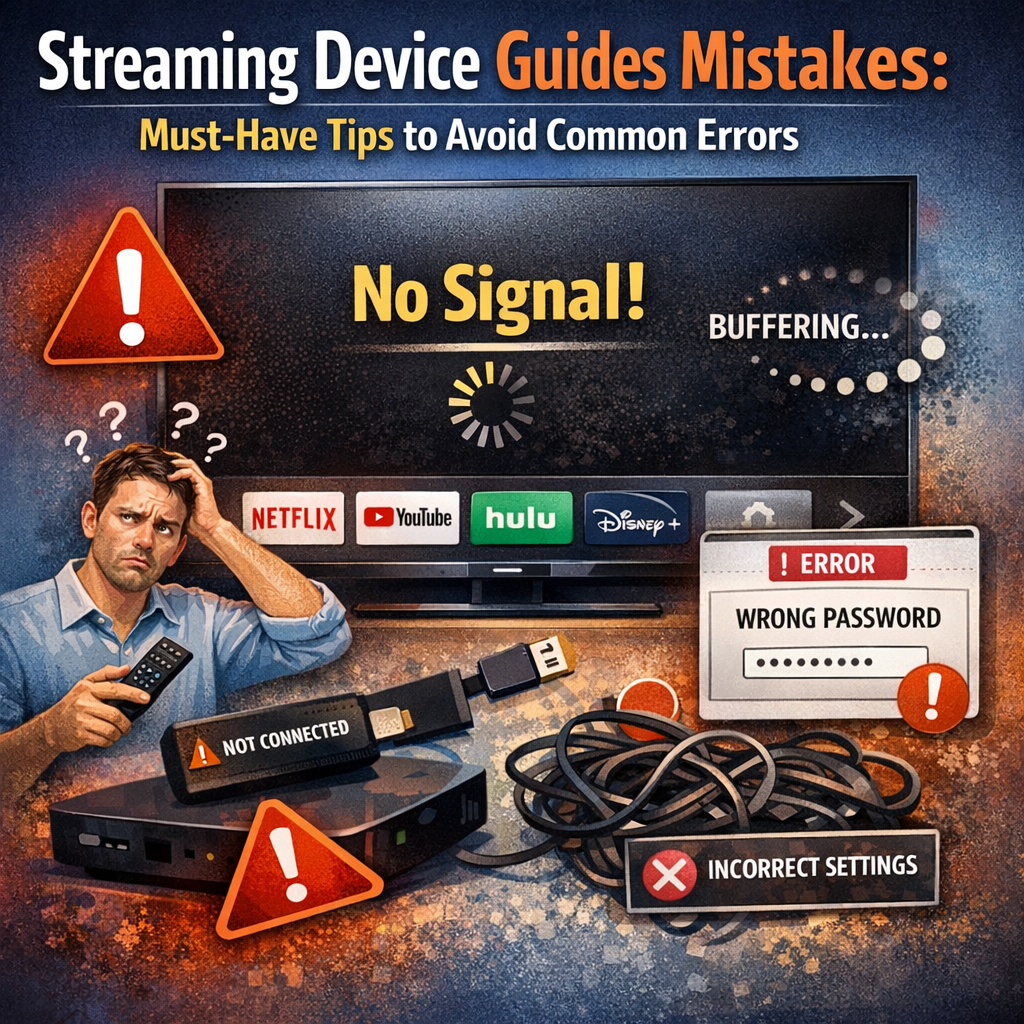
When diving into the world of home entertainment, streaming devices have become an indispensable tool for accessing a vast array of content. However, navigating the complexities of setup, usage, and troubleshooting can sometimes lead to frustrating experiences. This is where understanding common streaming device guides mistakes comes into play. Avoiding these pitfalls can transform your streaming experience from puzzling to pleasurable.
In this article, we’ll explore the typical errors people make with streaming devices and offer valuable streaming device guides tips to help you get the most out of your device. Whether you’re a beginner or looking to upgrade your knowledge, these insights will ensure smooth streaming sessions.
Common Streaming Device Guides Mistakes and How to Avoid Them
1. Overlooking Internet Connection Requirements
One of the most frequent mistakes users make involves underestimating the importance of a stable, fast internet connection. Streaming high-definition or 4K content demands robust bandwidth. Many guides often skip emphasizing the minimum internet speeds required for smooth playback, leading to buffering and poor video quality.
Tip: Before setting up your streaming device, verify your internet speed using online speed tests. For HD streaming, a minimum of 5 Mbps is recommended, while 25 Mbps or higher is ideal for 4K streaming. If your speed doesn’t meet the requirements, consider upgrading your plan or connecting your device directly to the router via Ethernet for enhanced stability.
2. Neglecting Device Compatibility and Updates
A common oversight is not checking whether streaming devices are compatible with your television or other hardware. Some older TVs might lack the necessary ports or software support, leading to frustration during or after installation.
Additionally, failing to update the streaming device firmware can cause functionality issues or security vulnerabilities.
Tip: Before purchasing a streaming device, confirm it supports your TV’s input connections (HDMI is the standard) and system specifications. After setup, regularly check for software updates in your device’s settings to keep it running optimally and securely.
3. Ignoring Proper Account and Subscription Setup
Another prevalent error is rushing through the account setup or neglecting subscription requirements. Many streaming platforms require individual accounts and active subscriptions before content becomes accessible. Skipping these steps can result in error messages or limited access.
Tip: Follow the streaming device guides carefully when entering your login credentials. Ensure your subscription to streaming services is current and properly linked. It’s also wise to manage passwords securely and enable two-factor authentication where available for added security.
Essential Streaming Device Guides Tips for Better User Experience
4. Optimize Device Placement and Connection
Where you place your streaming device can significantly impact performance. Devices placed far from the router or obstructed by walls may experience weaker signals and streaming interruptions.
Tip: Position your streaming device close to your Wi-Fi router or use a wired Ethernet connection for consistent streaming quality. Avoid placing the device inside cabinets or behind large electronic appliances that can interfere with signals.
5. Take Advantage of Device Settings and Features
Many users fail to explore the advanced settings and features their streaming devices offer, such as picture and sound adjustments, parental controls, and voice search functions.
Tip: Spend time exploring the settings menu of your streaming device. Adjust video resolution based on your TV’s capabilities, customize subtitles, and enable parental controls if needed. Utilize voice commands to search effortlessly or control playback without navigating complex menus manually.
6. Manage Apps and Storage Wisely
Streaming devices often come with the ability to download apps, but filling the device with too many can slow it down or cause crashes.
Tip: Regularly review your installed apps and remove those you no longer use. Keep sufficient free space on your device by uninstalling redundant apps or clearing cache files. This practice helps maintain faster response times and efficient streaming.
Troubleshooting Common Issues
Even with the best preparations, occasional hiccups are normal. When facing problems such as freezing screens, failed updates, or connectivity errors, follow these quick troubleshooting tips:
– Restart your streaming device: Power it off, unplug it for 30 seconds, then reconnect and power on.
– Check your network connection: Ensure your internet is active and stable.
– Reinstall problematic apps: Remove and reinstall apps that frequently crash.
– Reset to factory settings: If issues persist, perform a reset from the device’s settings menu to start fresh.
Conclusion
Avoiding common streaming device guides mistakes is the first step toward a hassle-free viewing experience. By paying close attention to your internet connection, device compatibility, account setups, and leveraging available device features, you can enhance streaming quality and convenience. The key is patience and careful reading of guides combined with the practical tips shared here.
Embrace these streaming device guides tips and enjoy seamless access to your favorite shows, movies, and live events with minimal interruptions. After all, the best streaming experience is the one where technology simply works — letting you focus on what truly matters: great entertainment.